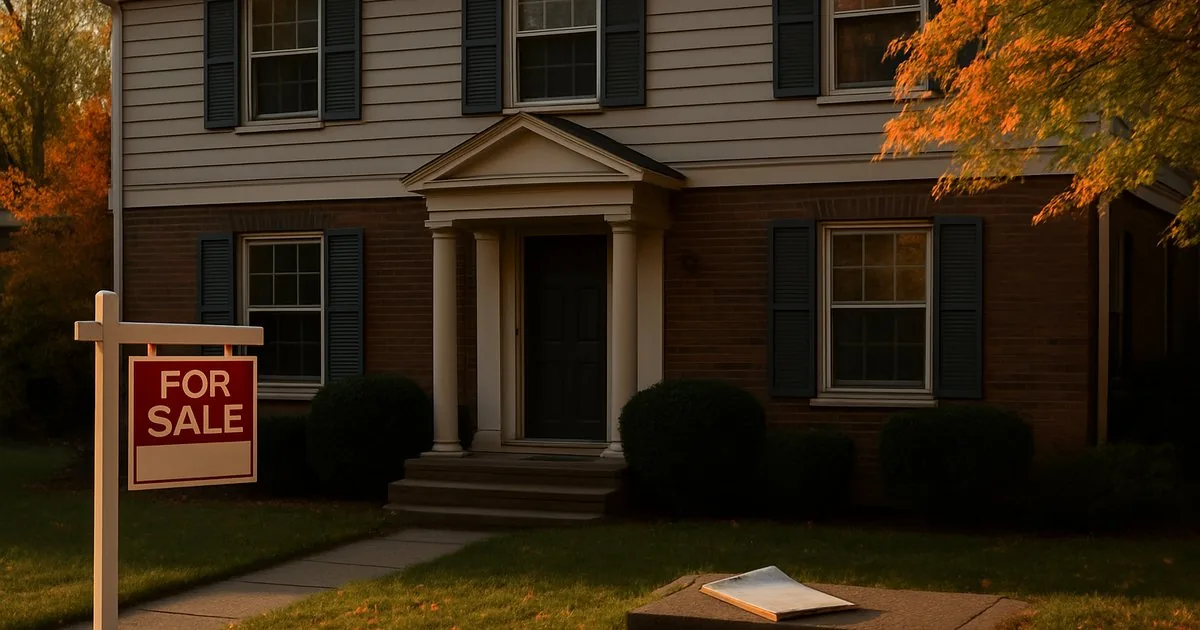
I've been doing this for over 20 years. And right now, in early 2026, I'm seeing more contracts fall apart than I have in a long time. Not because of bad buyers or bad homes, but because of three very specific, very preventable problems.
If you're buying in Oakland or Macomb County right now, read this before you make an offer. (For live market data see Rochester, Chippewa Valley, or Royal Oak.)
Problem #1: Pre-Qualifications Masquerading as Pre-Approvals
There's a massive difference between a pre-qualification letter and a real pre-approval, and listing agents know it. A pre-qual is basically a buyer saying "I think I can afford this." A real pre-approval means a lender has pulled credit, verified income and assets, and confirmed you actually qualify.
In a competitive market, offers backed by weak pre-quals are getting passed over even in multi-offer situations, even when the price is right. I've seen sellers accept lower offers because the financing looked more solid.
"A pre-qualification says you might qualify. A pre-approval says you do. There's a big difference when a seller is evaluating five offers."
What to do: get a full pre-approval before you start seriously looking. Not a pre-qual, a real one, with credit pulled and income documented. I can typically turn these around same day. (Buyers can pre-flight scenarios on the payment calculator.)
Problem #2: Rate Lock Timing Mistakes
Rates have been volatile (more on the 2026 rate outlook here). A buyer who floats their rate thinking it'll drop and then gets hit with a spike at the wrong moment can find their monthly payment jumping $150 to $200 overnight. That changes what they can afford, and sometimes it kills the deal.
On a $350,000 loan, the difference between 6.75% and 7.25% is about $114/month. Over 30 years that's over $40,000. This isn't a rounding error. It's a real financial decision that needs a real strategy.
What to do: have a rate lock conversation with your lender before you go under contract, not after. Know your options, know the costs, and have a plan.
Problem #3: Surprise Issues During Underwriting
The third thing killing deals right now is underwriting surprises, things that could have been caught at the beginning but weren't. A recent job change. A large unexplained deposit. A credit card that got maxed out after pre-approval. These things don't have to be dealbreakers, but if your lender doesn't catch them early, they become last-minute emergencies.
I review these things upfront. If there's something in your file that could cause a problem, I'd rather know about it in week one than week six when you're days from closing.
Frequently asked questions
What's the difference between a pre-qualification and a pre-approval?
A pre-qualification is essentially a buyer telling the lender what they think they can afford. A pre-approval means the lender has actually pulled credit, verified income and assets, and confirmed the buyer qualifies. Listing agents can tell the difference, and offers backed by real pre-approvals win more often.
Why are real estate deals falling apart in 2026?
Three issues drive most of the failures: pre-qualifications passed off as pre-approvals, rate-lock timing mistakes, and surprise issues caught late in underwriting (job changes, large unexplained deposits, credit card balances spiking after pre-approval).
How can a Michigan buyer prevent their mortgage from falling through?
Get a real pre-approval up front (credit pulled, income documented), have an explicit rate-lock conversation before going under contract, and disclose every financial change to your lender as it happens. Most failed deals trace back to one of these being skipped.
Can a deal fall apart at the last minute?
Yes. Underwriting surprises in week six (a missed credit pull, a paystub anomaly, a recent large deposit) can derail a closing days before it is scheduled. A lender who reviews the full file in week one prevents almost all of this.
What happens if my financing falls through after I have made an offer?
You typically lose your earnest money deposit and the home. The seller will go back on market or move to a backup offer. The fix is upstream, not downstream. Get the strongest possible pre-approval before you offer.
Why this matters
For homeowners: if you've had a contract fall apart on a previous purchase or sale, it was almost certainly traceable to one of these three issues. Knowing what to look for protects you next time, whether you're buying again or selling your current home and weighing offers.
For home buyers: the cost of getting a real pre-approval is zero. The cost of losing the right house because your paperwork looked weak is the house. Get the real letter, lock the rate with a plan, and disclose everything upfront. That's it.
For home sellers: when you've got multiple offers, look past the price tag. A solid pre-approval at $5,000 less is worth more than a fragile pre-qual at full ask. Ask your listing agent to call the lender on the strongest two before you decide.
For real estate agents: vet the lender on the offer, not just the buyer. A lender who picks up the phone at 7pm and walks you through where the file actually stands is the one whose deals close. Build the short list now, not when you're choosing between five offers.
Want a second set of eyes on a deal that's wobbling, or a lender you can count on for the next one? Reach out to Tommy.
The Bottom Line
Most of the deals I'm seeing fall apart right now were preventable. They failed because of paperwork issues, financing gaps, or timing mistakes that a good lender would have caught early. That's exactly what I'm here for.
If you're planning to buy in Oakland or Macomb County (or want to understand how the latest Fed decision affects your timing), or your agent is working with buyers who need a lender they can count on, let's talk before you need me, not after.
Don't let a preventable issue kill your deal.
Call or text me directly. I'll tell you exactly where you stand.
📞 Call Tommy at (586) 315-4507